Introduction : What is Family Style Chinese Food?
Family style Chinese food isn’t just about eating — it’s about connecting. Imagine a table overflowing with steaming dishes, everyone reaching for their favorite bites, laughter echoing across the room, and aromas making your mouth water before the first taste. Unlike individually plated meals, family-style dining emphasizes sharing, bonding, and experiencing food together.
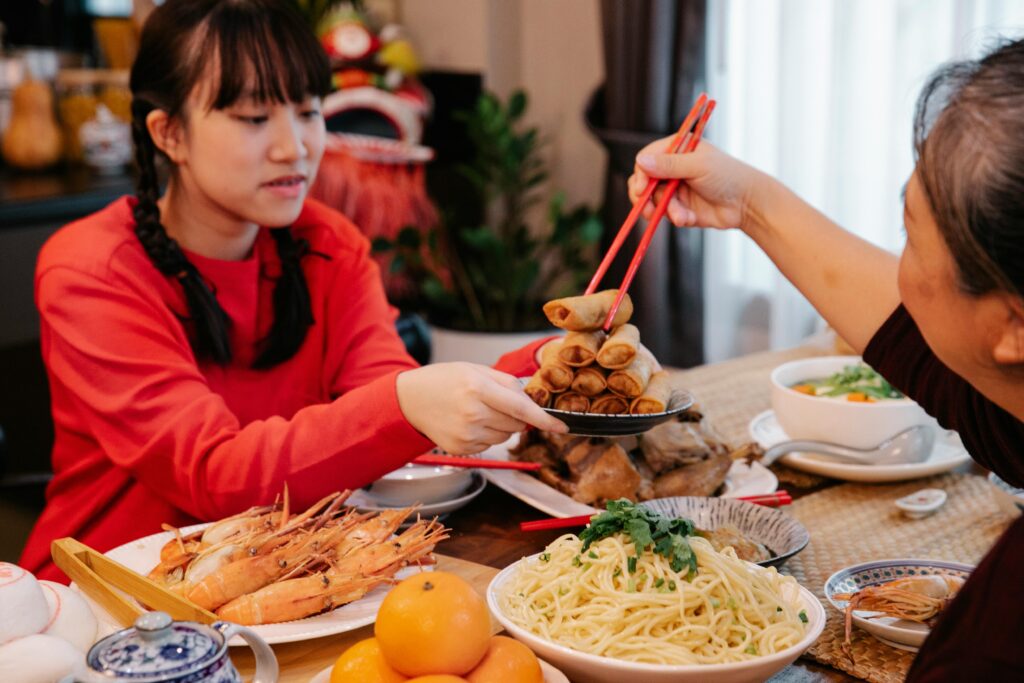
It’s a deeply rooted tradition in Chinese culture where meals are meant to bring people closer, whether it’s with family, friends, or colleagues. Every dish tells a story, every bite is a shared experience, and every table becomes a celebration.
Order Online
Origins and Tradition
Historical Roots
Family-style dining has been around for centuries. In traditional Chinese households, meals were always served in large communal dishes to encourage sharing. Families would gather around a round table, ensuring that everyone could reach every dish — a symbol of equality and unity.
Meals were carefully balanced, with sweet, savory, and spicy flavors, as well as different textures from meats, vegetables, and grains. During festivals, these shared meals reinforced family bonds, and the tradition continues today in both homes and restaurants worldwide.
Cultural Significance
Eating together in family style is symbolic of care, respect, and togetherness. Elders often guide younger family members, sharing stories and advice as everyone partakes in the meal. Sharing plates isn’t just convenient; it’s a ritual that strengthens relationships. In Chinese culture, communal dining reflects trust, harmony, and love. Every meal is an opportunity to nurture bonds and celebrate community.
Why People Love Family Style Chinese Dining
There’s a reason family-style Chinese meals are beloved by diners worldwide. First, it’s social. Meals become interactive experiences, with conversation, laughter, and shared discoveries. Second, it’s adventurous. You get to try flavors you might never order alone — from sweet and sour pork to Szechuan tofu or stir-fried greens.
Third, it’s practical. Portions are generous, ensuring no one goes hungry. For families, friends, or coworkers, these meals provide connection, excitement, and delicious variety all in one sitting.
Key Features of Family Style Chinese Food
Shared Plates and Portions
The hallmark of family-style dining is shared plates. Dishes are served in large portions meant for everyone at the table. This encourages diners to sample multiple items, discuss flavors, and create a dynamic, interactive meal. Everyone gets a little of everything, ensuring no one misses out on any culinary adventure.
Menu Variety
Family-style menus are incredibly diverse. You’ll often find a mix of proteins, vegetables, noodles, rice, and soups. Chefs carefully curate the dishes so that flavors, colors, and textures complement one another. This variety keeps the meal exciting and ensures there’s something for everyone, regardless of preferences or dietary restrictions.
Flavors and Aromas
Family-style meals are as much about the senses as the taste buds. Aromas of garlic, ginger, soy, sesame, and chili fill the air. Each dish balances flavors — savory, sweet, tangy, and spicy — while textures range from crunchy to silky. This sensory richness makes each meal memorable and keeps diners coming back for more.
Popular Dishes in Family Style Chinese Food
Dim Sum and Appetizers
Dim sum often starts the meal, featuring bite-sized dumplings, buns, and spring rolls perfect for sharing. Other popular appetizers include scallion pancakes, crab rangoons, and fried wontons. These dishes add crunch and variety, setting the stage for the main courses and keeping everyone engaged from the very beginning.
Main Courses (Meats and Vegetables)
Main dishes in family-style Chinese dining feature a mix of proteins and vegetables. Favorites include sweet and sour pork, Kung Pao chicken, braised beef, and stir-fried greens. Each dish is crafted to balance flavors and textures, providing a satisfying combination that pleases all palates.
Noodles, Rice, and Soups
Staples like fried rice, lo mein, and stir-fried noodles form the foundation of the meal. Noodles often symbolize longevity, while rice is a universal staple. Soups, such as hot and sour or wonton soup, complement the main dishes, adding warmth and depth to the dining experience.
Desserts and Drinks
Desserts are the perfect sweet finale. Mango pudding, red bean buns, and sesame balls are common favorites, often paired with tea. Sharing dessert maintains the communal spirit and ensures everyone leaves with a satisfied palate and a smile.
Health Benefits and Nutrition
Family-style Chinese meals can be surprisingly healthy. They often include a variety of vegetables, lean proteins, and lighter cooking methods like steaming and stir-frying. Sharing dishes encourages mindful eating, as you’re more focused on tasting a little of everything rather than finishing a single plate. Balanced meals provide protein, fiber, vitamins, and healthy fats, making this style both delicious and nourishing.
Eating Etiquette in Family Style Chinese Meals
Sharing Customs
In traditional settings, the eldest or most respected diner may serve others first. Bowls are passed around, and diners are expected to serve others before themselves. This fosters respect and generosity, reinforcing cultural values through mealtime rituals.
Chopstick Tips
Chopsticks are used to pick food from shared plates, and using serving utensils is considered polite. Avoid spearing food directly from communal dishes — small gestures like this maintain harmony and respect at the table.
Tips for Ordering a Family Style Meal
To enjoy a balanced meal, include a mix of proteins, vegetables, starches, and a soup. Ask the staff for recommendations, consider dietary needs, and avoid over-ordering mains. Always leave room for dessert and tea, as these finishing touches complete the communal dining experience.
Restaurants and Ambience
Family-style dining thrives in restaurants that encourage communal experiences. Round tables, warm lighting, and inviting decor create a welcoming atmosphere. Music, artwork, and table arrangements set the tone, transforming meals into celebrations.
Takeout and Delivery Options
Takeout and delivery options are now common, making family-style meals accessible at home. While convenient, some dishes taste best freshly cooked. Steaming hot items and reheatable containers help maintain texture and flavor for the best dining experience.
Cultural Events and Celebrations
Family-style meals are central to Chinese festivals such as the Lunar New Year and the Mid-Autumn Festival. Special dishes and larger portions reflect the festive spirit, strengthen bonds, and honor cultural traditions. These meals are often full of symbolism and meaning, adding a deeper layer to the shared experience.
Sustainability and Sourcing Ingredients
Many modern Chinese restaurants focus on sustainability, sourcing fresh local vegetables, responsibly raised meats, and eco-friendly packaging. Seasonal menus reduce food waste, ensuring meals are flavorful, fresh, and environmentally conscious.
Modern Twists and Fusion
Contemporary chefs introduce fusion elements to family-style meals, such as Szechuan tacos, quinoa stir-fries, or modern dim sum variations. These creative twists maintain tradition while keeping the dining experience fresh and exciting.
Conclusion
Family-style Chinese food is more than a meal — it’s a celebration of flavors, community, and culture. Sharing dishes, exploring diverse tastes, and connecting with those around the table make every dining experience memorable. From traditional recipes to modern innovations, this style of dining nurtures relationships while delivering incredible flavors. It’s a feast for the senses, the heart, and the soul, proving that food truly tastes better when shared.
FAQs
Q1: What is the main difference between family-style and individual Chinese meals?
Family-style meals are shared, encouraging interaction and variety, while individual meals are portioned separately for each diner.
Q2: Can I try Family Style Chinese Food dining if I’m eating alone?
Yes, many restaurants offer smaller shared dishes or combos for solo diners.
Q3: Are Family Style Chinese Food meals healthier than individual portions?
Often, yes. Meals typically include vegetables, lean proteins, and encourage mindful eating through sharing.
Q4: How do I order a balanced Family Style Chinese Food meal?
Mix proteins, vegetables, starches, and soup. Ask for chef recommendations and avoid over-ordering mains.
Q5: Can Family Style Chinese Food meals accommodate dietary restrictions?
Absolutely. Most restaurants can adjust dishes for vegetarian, gluten-free, or other dietary requirements upon request.